
Smart city water management refers to the application of advanced technologies, data analytics, and innovative practices to optimize the use, distribution, treatment, and conservation of water resources within an urban environment. This approach integrates Internet of Things (IoT) devices, sensors, real-time data analytics, and automation to create a more efficient, resilient, and sustainable water management system that meets the needs of both the population and the environment.
Why Smart Water Management is Necessary
Water Scarcity and Demand
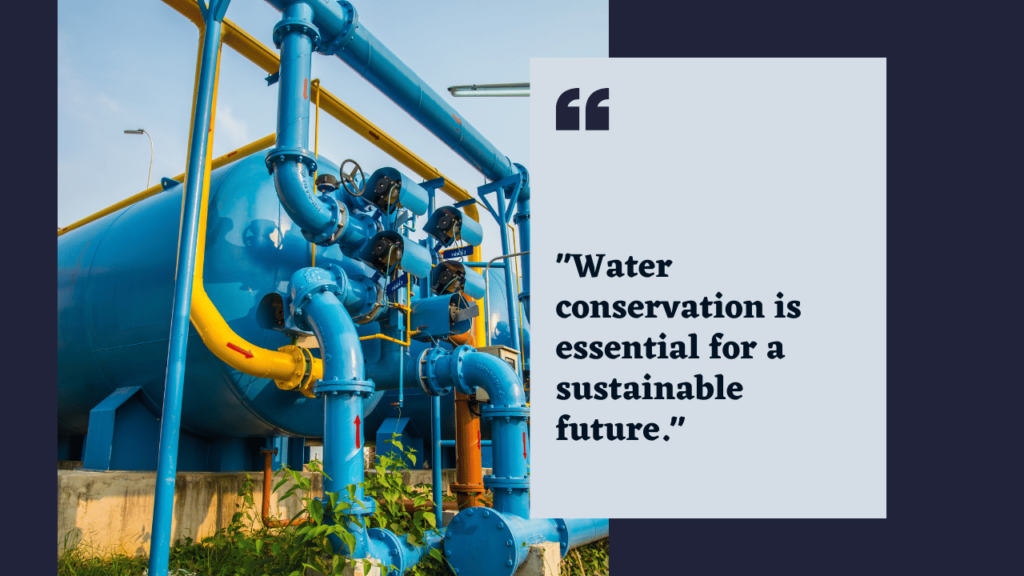
Water scarcity is becoming a critical issue for many cities worldwide due to growing urban populations and the impacts of climate change. This growing Urbanization increases water demand for domestic, industrial, and agricultural purposes in a significant amount. Smart water management helps to ensure that water resources are used efficiently and sustainably, enables a balanced demand-supply model over resource utilization, reducing waste and preserving water for future generations.
Handling Aging Infrastructure
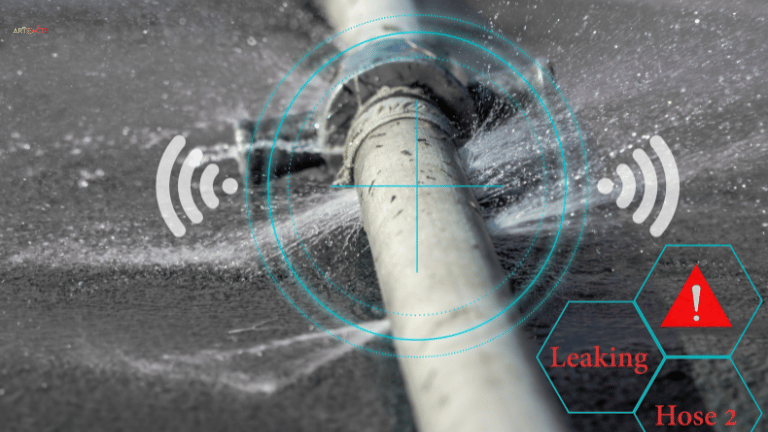
Many cities have aging water infrastructure, leading to leaks, water losses, and inefficiencies. Smart technologies can monitor and manage infrastructure more effectively, reducing the need for costly repairs and extending the life of existing systems. The enablement of real-time data analytics based on smart sensors delivered data can detect potential issues before they become major problems, enabling proactive maintenance and reducing the risk of failures.
Energy Efficient Safe Water Distribution
Ensuring access to clean, safe drinking water is a fundamental public health concern. Smart water management systems continuously monitor water quality with the help of integrated smart IoT sensors real-time data, protecting residents from contaminants and ensuring compliance with health standards. But the treatment and distribution of water are energy-intensive processes. Smart water management systems can optimize energy use, reducing the carbon footprint of water services and contributing to overall city sustainability. This improvement also helps municipal authorities of lowering their operational costs, freeing up resources for other critical needs.
Environmental Protection and Climate Adoption
Urban areas contribute to water pollution through runoff, sewage discharge, and industrial effluents. Smart water management systems can monitor water quality in real-time, ensuring that pollution is detected and addressed promptly. To maintain a healthy aquatic ecosystems, which provide critical services such as water purification, habitat for wildlife, and recreational opportunities, it is obvious that city residents and municipal authorities are required to be habituad with smart water management by adapting themselves with technologial advancement. Also, smart water management systems enhance the city’s ability to respond against extreme weathe events and natural calamities like flood, draught promptly, ensuring a reliable water supply and protecting communities from water-related disasters. By leveraging data and predictive analytics, smart water management supports long-term planning for water resources, helping cities adapt to changing climate conditions.
Smart City Water Management Components
Smart Water Meters and IoT Devices
Smart water meters are advanced devices that measure water usage in real-time, providing detailed data on consumption patterns. IoT devices, including sensors and actuators, are integrated throughout the water network to monitor and control various aspects of the system. Key features included:
Real-Time Monitoring: Continuous monitoring of water flow, pressure, and quality across the network allows for immediate detection of leaks, bursts, and other anomalies.
Consumption Insights: Detailed data on water usage helps utilities and consumers identify inefficiencies, promote conservation, and reduce costs.
Remote Control: IoT devices can be remotely controlled, enabling utilities to adjust water distribution, manage pressure, and isolate sections of the network during maintenance or emergencies.
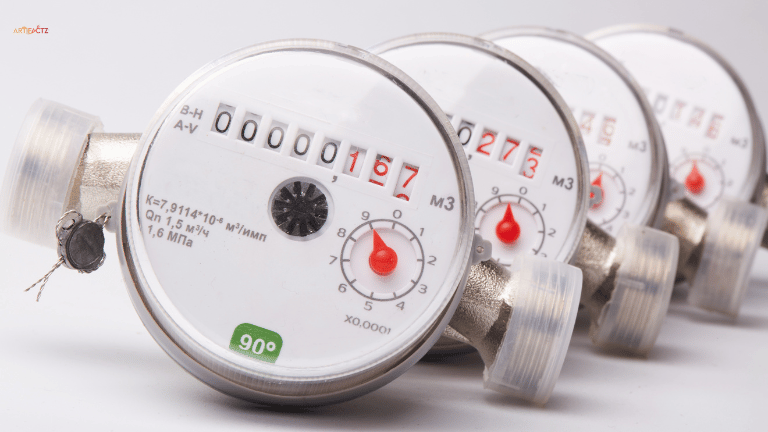
Advanced Data Analytics and Artificial Intelligence (AI)
Data analytics involves processing and analyzing the vast amounts of data generated by smart meters and sensors to gain insights into water system performance. AI and machine learning algorithms can predict trends, optimize operations, and support decision-making. Key features are following:
Predictive Maintenance: AI can predict when and where equipment failures are likely to occur, enabling preventative maintenance and reducing downtime.
Demand Forecasting: Data analytics can forecast water demand based on historical data, weather patterns, and other factors, allowing for better resource allocation.
Leak Detection: AI algorithms can analyze pressure and flow data to detect leaks early, minimizing water loss and preventing damage to infrastructure.
Water Quality Monitoring and Management
Water reuse and recycling involve treating wastewater to a safe standard and reusing it for non-potable purposes, such as irrigation, industrial processes, or groundwater recharge. Continuous monitoring of water quality is essential to ensure that water supplied to consumers meets health and safety standards. Smart systems use sensors to detect contaminants and manage water treatment processes in real-time. Some important features are:
Contaminant Detection: Sensors can detect pollutants, such as heavy metals, chemicals, and biological contaminants, in real-time, triggering alerts and automated responses.
Wastewater Treatment: Advanced treatment technologies, such as membrane filtration and ultraviolet disinfection, ensure that recycled greywater (from sinks, showers, etc.) meets safety standards for using in irrigation or toilet flushing, which reduces the demand for potable water.
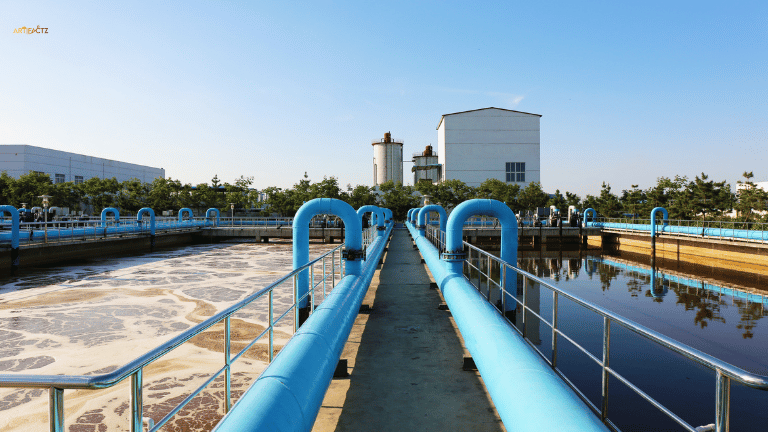
Treatment Optimization: Smart systems can adjust treatment processes dynamically, ensuring optimal water quality while minimizing the use of chemicals and energy.
Compliance and Reporting: Automated reporting ensures compliance with regulatory standards, providing transparency and accountability.
Smart Irrigation Systems
Smart irrigation systems use sensors, weather data, and automation to optimize water use in agricultural and landscaping applications, reducing waste and conserving resources. Folowing components are must required to be present in a smart irrigation system.
Soil Moisture Sensors: These sensors measure soil moisture levels and adjust irrigation schedules accordingly, ensuring plants receive the right amount of water.
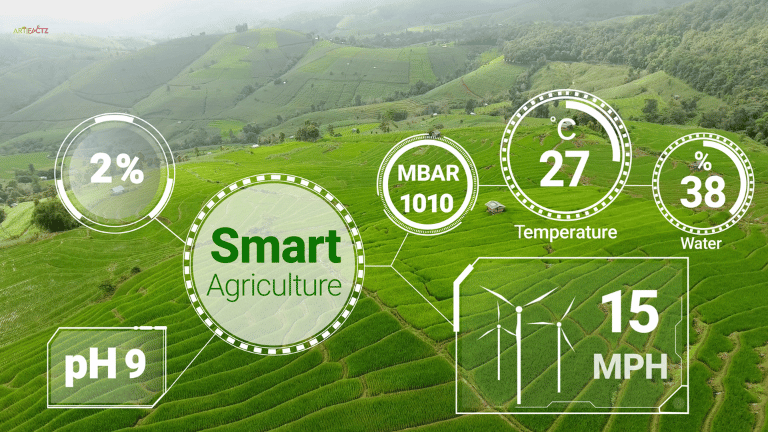
Weather Integration: Smart systems integrate weather forecasts to adjust watering based on expected rainfall, reducing unnecessary irrigation.
Remote Control: Irrigation systems can be controlled remotely via mobile apps or web interfaces, allowing for adjustments based on real-time conditions.
Integrated Water Management Platforms
Integrated platforms bring together data from various components of the water system, providing a centralized view of the entire network and enabling coordinated management. Following components leverage to obtain an idle integrated water management platforms.
Centralized Dashboard: A single dashboard provides real-time data on water usage, quality, infrastructure status, and other key metrics, allowing for comprehensive oversight.
Automated Alerts: The platform can generate automated alerts for issues such as leaks, contamination, or infrastructure failures, ensuring a rapid response.
Decision Support: The platform provides tools for scenario analysis, helping city planners and utilities make informed decisions about water management strategies.
Stormwater Management and Flood Control
Smart stormwater management systems use sensors, real-time data, and predictive analytics to manage stormwater runoff, prevent flooding, and protect water quality. Following features are essential here:
Smart Drainage Systems: Sensors monitor water levels in drainage systems, triggering automated responses such as opening or closing valves to prevent overflows.
Green Infrastructure: Smart cities often incorporate green infrastructure, such as permeable pavements, rain gardens, and green roofs, to absorb and manage stormwater naturally.
Flood Prediction and Response: Predictive analytics can forecast flood events, enabling cities to deploy resources and implement protective measures in advance.
Citizen Engagement and Regulatory Frameworks
Engaging citizens in water conservation efforts and educating them about the importance of water management are critical for the success of smart water systems along with enabling effective governance and supportive regulatory frameworks. This includes following features to adapt:
Consumption Feedback: Smart meters and apps provide consumers with real-time feedback on their water usage, helping them identify ways to conserve water.
Water Pricing Policies: Smart pricing models, such as tiered or dynamic pricing, encourage conservation and ensure that water is valued appropriately
Public Awareness Campaigns: Cities can use digital platforms and social media to promote water-saving behaviors and inform residents about water-related issues.
Collaborative Participatory Platforms: Online platforms allow citizens to report issues such as leaks or pollution, participate in decision-making, and contribute to community water projects. It enables collaborations between governments, private companies, and research institutions to drive innovation in smart water technologies.
Smart city water management is a multi-faceted approach that leverages advanced technologies and data-driven strategies to address the complex challenges of urban water management. By integrating components such as smart meters, IoT devices, data analytics, water quality monitoring, and citizen engagement, cities can create more